Black Car Service vs. Traditional Taxi in New Orleans: An Honest Comparison
A traditional taxi and a black car service both get you where you're going, but the experience, pricing structure, and reliability differ in ways that matter for the right trip.
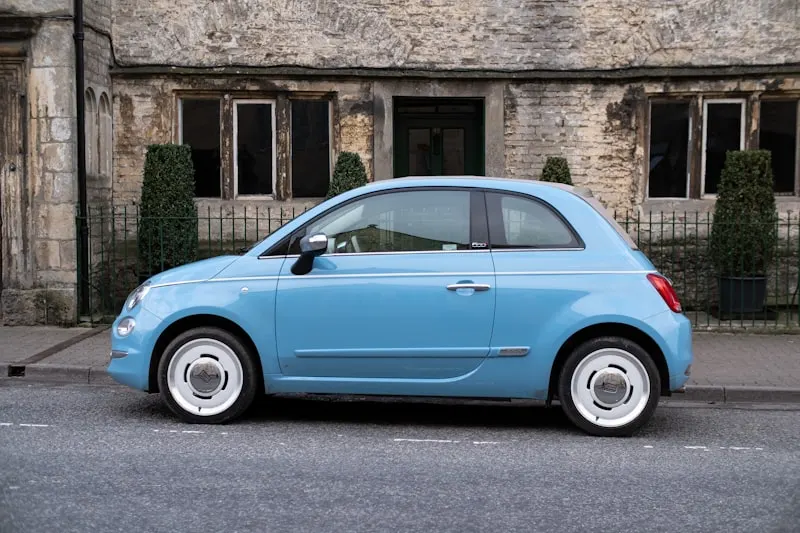
Taxis have operated in New Orleans for generations, queuing outside MSY's baggage claim and idling at hotel stands throughout the city. A black car service is a newer model built around reservation rather than walk-up availability. Both are legitimate ways to get around — the honest comparison is about which structure actually fits your trip.
How Pricing Works for Each
Taxis at MSY operate on a regulated flat fare to downtown and the French Quarter for the first two passengers, with a per-person add-on beyond that — predictable in structure, though it still means larger groups pay more, stacked per rider. A black car service quotes a single flat rate by vehicle class, confirmed in writing at booking, that doesn't change regardless of passenger count within the vehicle's capacity, traffic, or time of day.
Availability: Walk-Up vs. Reserved
A taxi's core advantage is walk-up availability — no reservation, no app, just a queue at the airport or a stand outside a hotel. That works well when you need a ride right now with no planning. A black car requires booking ahead, which means no walk-up option, but in exchange guarantees a specific vehicle will be there at a specific time — no queue to wait in, no uncertainty about whether enough cabs are working a given night.
Vehicle Quality and Driver Standards
Taxi fleets vary by operator and individual driver — vehicle age, cleanliness, and maintenance aren't standardized the way they are with a black car service. A black car service specifies the vehicle class you're getting — an executive sedan, a Cadillac Escalade, a Sprinter van — maintained on a documented schedule, driven by a professionally trained, background-checked chauffeur rather than a driver whose vetting process you have no visibility into.
The Airport Experience Specifically
At MSY, taxis queue at a stand outside baggage claim — reliable, but subject to the length of the line at any given moment, particularly during a busy arrivals bank. A black car service tracks your flight and stages the vehicle before you land, with 45 minutes of complimentary wait time on domestic arrivals (60 international) if your flight runs behind, so a delay never turns into extra taxi-stand time or a surprise wait charge.
Festival and Event Season
Both taxi and rideshare availability can tighten noticeably during Mardi Gras, Jazz Fest, Essence Fest, and other major events, when demand across the city spikes at the same time. A reserved black car is committed in advance regardless of how busy the city is that weekend — your chauffeur is coming because the trip was booked, not because a cab happened to be nearby when the parade let out.
Late-Night Reliability
For a late return from Bourbon Street or Frenchmen Street, a taxi stand is often still your fastest walk-up option — and a perfectly reasonable one. Many travelers, though, prefer a reserved pickup for a specific late-night departure time precisely because it removes the "will there be a cab available" question entirely, particularly on a night when the whole Quarter is busy at once.
Cost Comparison for Groups
This is where the two diverge most. A taxi's per-person add-on beyond two riders means a group of four or five pays meaningfully more than the base fare. A black car's flat, per-vehicle rate means the same group splits one price across everyone — an SUV seating up to six, or a Sprinter van up to thirteen, at a single confirmed rate regardless of how many are riding within capacity.
How Dispatch and Coordination Differ
A taxi stand at MSY or a hotel is a physical queue — first driver in line, next passenger out. A black car service's dispatch operates against your specific reservation: your chauffeur knows your flight number, your destination, and any special requests before you've even landed. For a routine trip, this difference is invisible. For anything with a schedule attached — a meeting time, a flight connection, an event start — the reserved model removes the queue entirely from the equation.
Cruise Passengers and the Port of New Orleans
Cruise embarkation days are a useful test case for this comparison. A taxi from a downtown hotel to the Port of New Orleans works fine on an ordinary morning, but embarkation days concentrate demand at fixed times as thousands of passengers head to the same terminals within a similar window. A reserved black car sidesteps that entirely — the vehicle is committed to your specific pickup time regardless of how many other travelers are also heading to the port that morning.
How Long-Distance Trips Compare
For trips beyond the immediate city — Baton Rouge, the Northshore communities of Covington and Mandeville, or the Mississippi Gulf Coast — taxi availability drops off quickly outside New Orleans proper, and fares for those distances aren't typically part of the regulated in-city rate structure. A black car service quotes these as their own flat rates, confirmed at booking, making it the more practical option once a trip extends meaningfully outside the urban core.
What Visitors From Other Cities Sometimes Get Wrong
Travelers arriving from cities with different taxi and rideshare norms sometimes assume New Orleans works the same way — a taxi stand at every hotel, consistent rideshare pricing regardless of the day. Both assumptions can lead to surprises here: taxi stands exist but aren't universal outside downtown and the Quarter, and rideshare pricing swings more dramatically during this city's event calendar than in many other markets. A quick check of what's actually happening in the city during your visit — festival, convention, game day, or none of the above — helps set the right expectations before you land.
The Question to Ask Yourself Before Choosing
Rather than defaulting to habit, it's worth asking one question for each specific trip: does this ride need to be certain, or just convenient? A convenient ride tolerates a wait, a walk-up option, and some price variability. A certain ride can't afford any of those things — a flight to catch, a client to greet, a wedding to reach on time. That single distinction, more than brand loyalty to either option, is usually what should decide which one you book.
What Doesn't Change Between the Two
Whichever option you choose for a given trip, some things should hold true regardless: a legitimate vehicle operating legally in Louisiana, a driver who knows the city, and a fair, understandable price at the end of the ride. The real comparison isn't "good vs. bad" — both taxis and black car services can deliver a perfectly good trip. It's about matching the structure of each option to what your specific trip actually needs.
When a Traditional Taxi Is the Better Call
- You need a ride immediately with no time to book ahead.
- You're a solo or two-person party with a short, simple trip.
- You're already standing at a reliable taxi stand — a hotel, the airport — with a short wait.
When a Black Car Service Is the Better Call
- An MSY airport departure where being late is not an option.
- Groups of three or more, where per-vehicle pricing beats a per-person add-on.
- A wedding, corporate trip, or event with a schedule to protect.
- Any trip during Mardi Gras, Jazz Fest, or a major convention week, when demand spikes citywide.
- A specific late-night pickup time you want guaranteed rather than found curbside.
Payment and Receipts
Taxis in New Orleans generally accept cash or card at the meter or the regulated flat fare, with a printed or emailed receipt available on request. A black car service provides a written, itemized receipt as a matter of course, tied to the flat rate confirmed at booking — useful for business travelers who need a clean record for expense reporting, and a small but real convenience for anyone who prefers to know the total before the trip even starts rather than checking a meter along the way.
Safety and Accountability Considerations
Both taxis and black car services operating legitimately in Louisiana are subject to commercial licensing requirements, but the vetting and insurance standards behind a specific vehicle and driver can vary by operator either way. When it matters most to you — a late-night ride, a family member traveling alone, a client you're responsible for — ask directly about a company's licensing status, insurance coverage, and driver background-check process. A professional operator answers without hesitation, and MSY Limo Service operates as a Licensed & Insured Louisiana Carrier with background-checked, professionally trained chauffeurs as a baseline standard, not an upsell.
A Fair Conclusion
Neither option is wrong — they're built for different moments. A taxi excels at spontaneous, walk-up trips where flexibility matters more than certainty. A black car service excels wherever certainty matters more: a flight you can't miss, a group that needs to travel together, an event with a schedule, or a season when the whole city is busy at once. For a deeper look at how black car service compares to rideshare specifically, see our black car vs. taxi vs. rideshare comparison, or explore MSY airport transportation options directly.
Get a Quote for Your Trip
Whichever fits your trip, MSY Limo Service operates as a Licensed & Insured Louisiana Carrier with a late-model fleet and background-checked professional chauffeurs. Call (877) 609-1919 or book online for a flat-rate quote.
Frequently Asked Questions
Is a black car service more expensive than a taxi in New Orleans?
It depends on group size. For one or two riders, a taxi's regulated flat fare is often lower. For groups of three or more, a black car's flat per-vehicle rate frequently costs less overall than a taxi's per-person add-on.
Can I just walk up and get a black car the way I would a taxi?
No — a black car service requires a reservation, which is the trade-off for a guaranteed vehicle, flight tracking, and a confirmed flat rate. A taxi offers walk-up availability without that guarantee.
Do taxi fares increase during Mardi Gras or Jazz Fest?
Regulated taxi fares don't surge the way rideshare pricing can, but availability can tighten significantly during major events when demand spikes across the city.
Which is better for a group of five?
Usually a black car service. A taxi charges a per-person add-on beyond two riders, while a black car's flat rate covers the whole group in one vehicle at a single confirmed price.
What happens if my flight is delayed?
Every airport pickup is flight-tracked, so your chauffeur is dispatched against the actual arrival time rather than the schedule. You never need to call from the tarmac.
Ready to Book Your MSY Airport Transfer?
Flat rates, flight tracking, and professional chauffeurs — available 24/7.