A Chauffeur's Guide to Louis Armstrong Park and Congo Square
Congo Square is where New Orleans music history actually starts, and Louis Armstrong Park around it holds some of the city's most important landmarks — but it sits between two neighborhoods with almost no dedicated visitor parking.
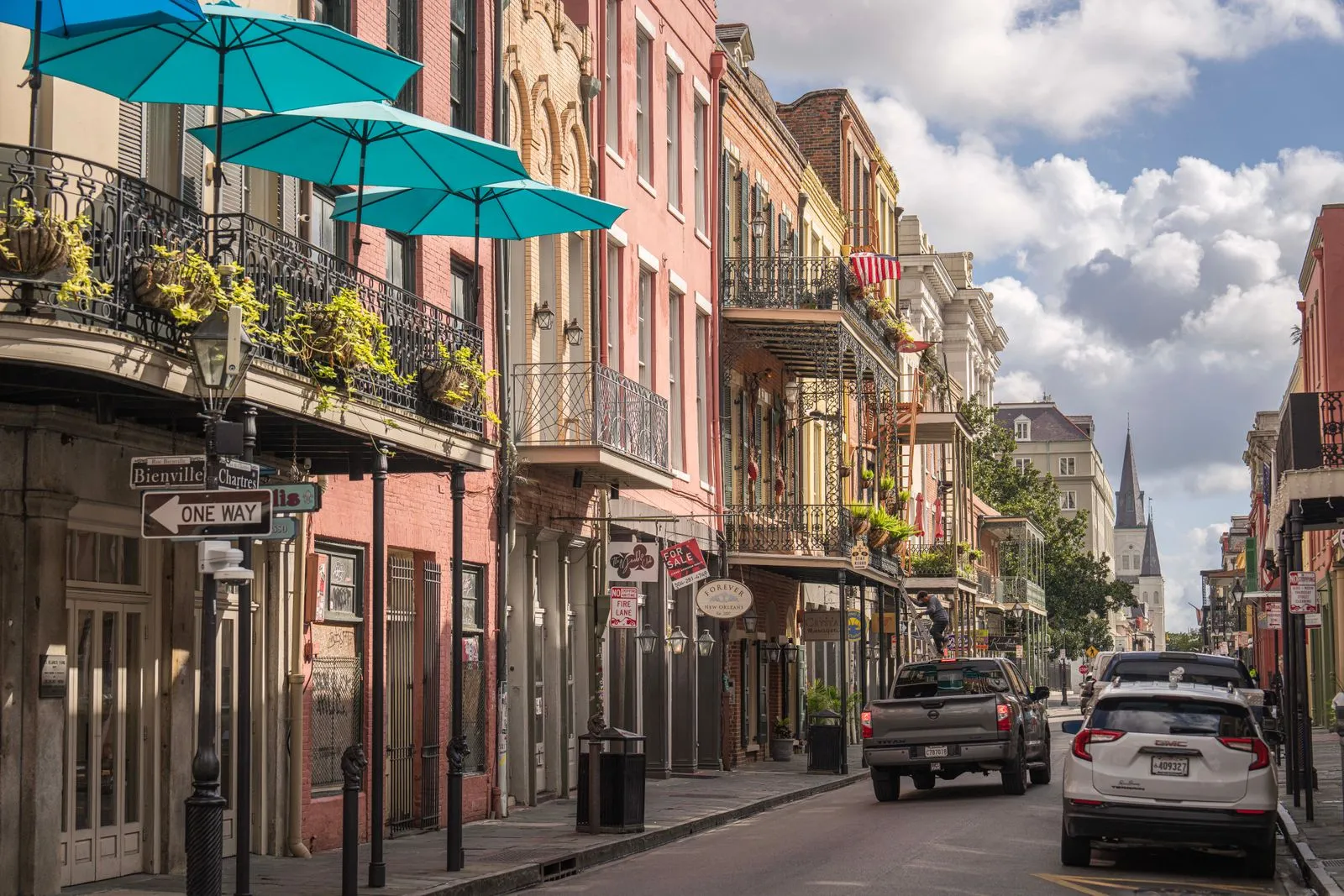
Most visitors to New Orleans spend their time inside the French Quarter and never cross Rampart Street into Louis Armstrong Park, which sits just on the other side of it at the edge of the Treme neighborhood. That's a real gap, because Congo Square — inside the park — is where the city's music history actually begins: it's the site where enslaved Africans and free people of color gathered on Sundays in the 18th and 19th centuries to play music, dance, and trade, planting the cultural roots that grew into jazz. The park around it carries that history forward, and it's worth the short trip across Rampart Street that most itineraries skip.
Why This Park Gets Overlooked
Most New Orleans itineraries, whether self-planned or templated from a guidebook, route visitors through the Quarter, the Garden District, and maybe Frenchmen Street — all places with restaurants and shops that naturally pull foot traffic. A public park with no commercial activity simply doesn't show up on the same radar, even though its historical significance arguably outranks most of the stops that do.
What's Actually in the Park
Louis Armstrong Park holds Congo Square itself, the Mahalia Jackson Theater for the Performing Arts, a large bronze statue of Louis Armstrong, and open green space crossed by walking paths and small bridges over the park's lagoons. The park's iconic arched entrance gate, facing Rampart Street, is one of the most recognizable landmarks in the city on its own.
Why It Doesn't Play by the French Quarter's Rules
The French Quarter is dense and walkable, with hotels and attractions packed close together. Louis Armstrong Park is different: it sits at the edge of the Quarter and the Treme, across Rampart Street, without the same concentration of hotels or paid parking structures nearby. Visitors who assume it's "basically in the Quarter" and plan to walk over on a whim often find the walk is a bit longer than expected and the parking situation around the park itself is thin and largely metered street parking, not a dedicated visitor lot.
Treme: The Neighborhood Around the Park
Treme, bordering the park to the north, is one of the oldest and most historically significant African-American neighborhoods in the country, closely tied to New Orleans's brass band and second-line parade traditions. It's a residential neighborhood more than a tourist strip, which means it rewards a planned visit — knowing where you're going and how you're getting there — rather than aimless wandering the way the French Quarter does.
Because it borders rather than overlaps the Quarter, Treme also doesn't carry the same density of hotels, restaurants, and signage aimed at visitors — street parking is residential, not metered-for-tourists, and a car left on the wrong block can be more of a headache than a convenience. None of that makes Treme a place to avoid; it just means the neighborhood is better suited to a destination visit than a wander-and-see approach.
What Makes Congo Square Different From Every Other French Quarter-Area Stop
Most French Quarter-area attractions are commercial — a restaurant, a shop, a tour. Congo Square is a public park with no admission and nothing to buy, which means there's genuinely nothing pulling a casual visitor across Rampart Street the way a storefront would. That's exactly why so many multi-day visitors to New Orleans never see it: it takes knowing it's there and choosing to go, rather than stumbling onto it while doing something else nearby.
Nearby: the Backstreet Cultural Museum
A short walk into Treme from the park sits the Backstreet Cultural Museum, a small, long-running institution documenting the city's second-line, Mardi Gras Indian, and jazz funeral traditions firsthand — the same cultural lineage Congo Square represents, carried forward into the present. It's a far smaller stop than anything in the French Quarter, which is exactly why most visitors never find it without already knowing to look.
Timing a Visit for Comfort, Not Just Logistics
Louisiana heat and humidity make a mid-morning or late-afternoon visit more comfortable than the middle of a summer day, since the park's open green space offers less shade than the Quarter's narrow streets. Outside of a Mahalia Jackson Theater event, the park itself is generally quiet during the day, which makes a planned daytime visit the easiest version of the trip for a first-time visitor unfamiliar with the area.
When the Mahalia Jackson Theater Changes Everything
On a night with a performance at the Mahalia Jackson Theater, the park's usual quiet changes completely: event traffic and a surge of parking demand concentrate right around the entrance gate, exactly when visitors also want a straightforward way in and out. Checking the theater's schedule before a visit is worth it even if you're not attending a show, since it tells you whether you're walking into a quiet afternoon or a busy event night.
Combining the Park With a French Quarter Visit
Because the park sits just across Rampart Street from the Quarter, it works well as one stop in a longer day rather than a destination on its own — a Congo Square and Armstrong statue visit in the morning, then back into the Quarter for the rest of the day. The two require different pacing: the Quarter rewards wandering, the park rewards knowing where you're headed and how you're leaving.
A planned route might look like a morning drop-off at the park's Rampart Street gate, an hour or so walking Congo Square and the Armstrong statue, then a short ride back into the Quarter for lunch and the rest of the day's plans — structured enough to not waste time finding your way, loose enough to still feel like a vacation.
Getting There: From a Hotel vs. Straight From MSY
Visitors coming from a French Quarter or Central Business District hotel have a short trip — the park is close enough that the drive itself is rarely the issue, parking is. Visitors heading there directly from MSY, perhaps on the way into the city for the first time, can combine the airport pickup with a stop at the park before continuing on to a hotel, which is worth mentioning when you book if you'd rather see Congo Square before checking in than add a separate trip later in the visit.
Why a Chauffeured Drop-off Solves the Park's Real Problem
The lack of dedicated visitor parking and the awkward in-between location — not quite the Quarter, not deep into Treme — are the park's two real obstacles, and a chauffeured drop-off removes both: your driver takes you directly to the entrance gate on Rampart Street, waits or returns at a planned time, and there's no metered-spot search and no uncertain walk from a French Quarter hotel. That matters even more on a Mahalia Jackson Theater performance night, when parking near the gate gets genuinely difficult.
MSY Limo Service serves Louis Armstrong Park, the French Quarter, Treme, and all of Greater New Orleans, 24/7. Call (877) 609-1919 or book online.
Pairing It With Other Jazz History Stops
For visitors specifically interested in the roots of New Orleans music, Congo Square pairs naturally with a broader jazz-history day — the Backstreet Cultural Museum nearby, and the French Quarter's own music history further south. Hourly, as-directed booking covers a day built around that theme the same way it covers any other multi-stop itinerary, with one chauffeur carrying you between stops instead of re-arranging transportation at each one.
Frequently Asked Questions
Is Louis Armstrong Park part of the French Quarter?
No — it sits just across Rampart Street at the edge of the Quarter and the Treme neighborhood. It's an easy trip from the Quarter but is its own distinct area, not inside the Quarter itself.
Is there dedicated parking at Louis Armstrong Park?
Not really — parking around the park is largely metered street parking rather than a dedicated visitor lot, which gets harder to find during a Mahalia Jackson Theater performance.
What is Congo Square's historical significance?
Congo Square, inside the park, is the site where enslaved Africans and free people of color gathered on Sundays in the 18th and 19th centuries to play music and dance — a foundational root of New Orleans's jazz and music culture.
Can you drop us right at the park's entrance gate?
Yes — tell us Louis Armstrong Park or Congo Square when you book, and your chauffeur will plan the drop-off right at the Rampart Street entrance gate.
Is Treme safe and worth visiting for a first-time tourist?
Treme is a residential historic neighborhood, not a tourist strip — it rewards a planned visit to a specific destination (the park, a known music venue) rather than aimless wandering, which is exactly where a chauffeured drop-off helps most.
Ready to Book Your MSY Airport Transfer?
Flat rates, flight tracking, and professional chauffeurs — available 24/7.