Mardi Gras Parade Route Transportation: Best Pickup and Drop-off Spots
Krewe parades don't just close streets — they redraw the map for hours at a time. Here's how to plan pickup and drop-off points along the Uptown and St. Charles Avenue routes without missing the throw.
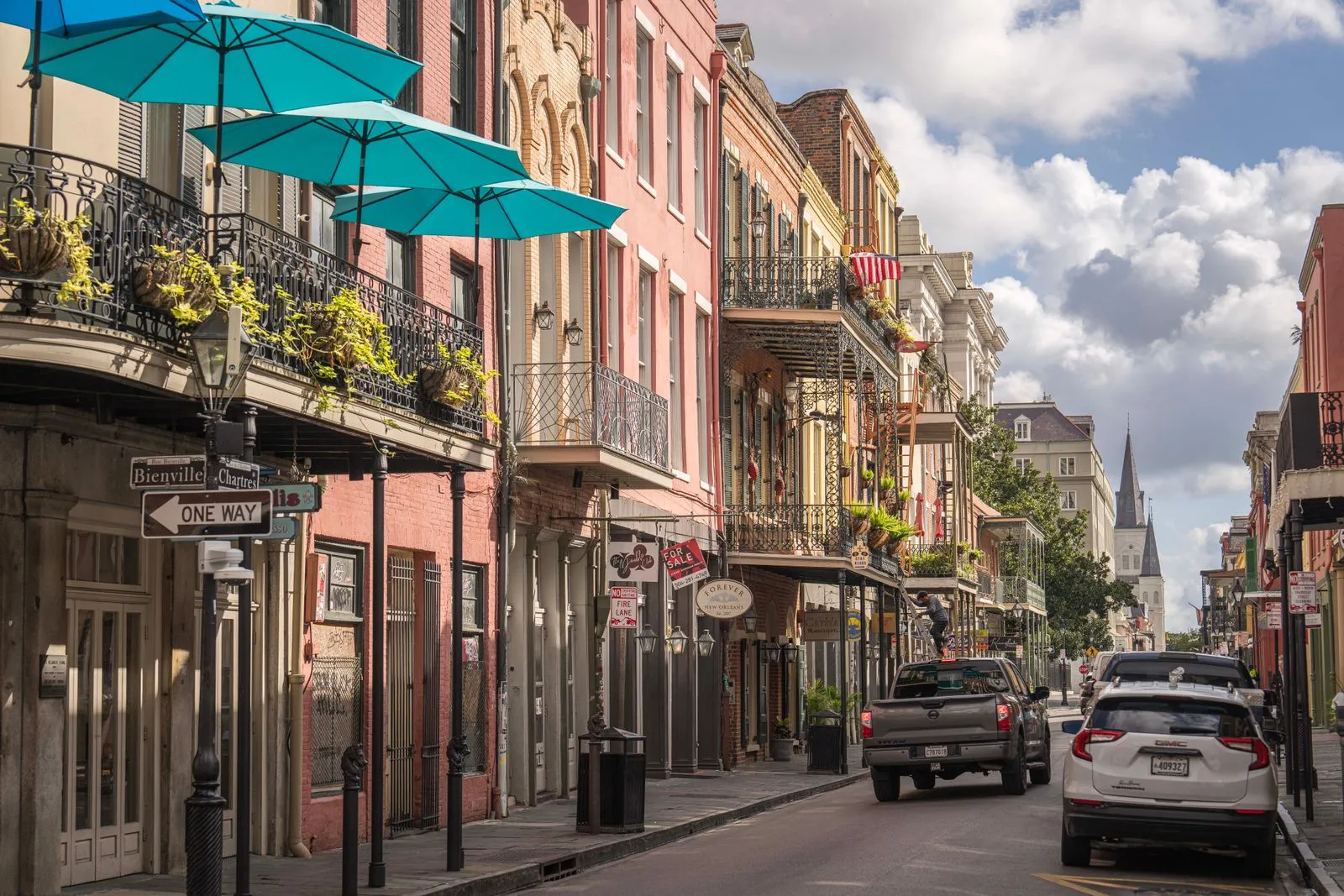
Mardi Gras transportation isn't really about the day — it's about the route. Once a krewe parade rolls down St. Charles Avenue or through the Uptown neutral ground, the streets on either side become inaccessible for hours, and where your car can actually reach you changes block by block. This guide goes past the general survival tips and into the specific logistics: where to stage a pickup, when to build in a buffer, and how a chauffeur who runs this corridor every Carnival season plans around it.
Why the Route Matters More Than the Date
Most Mardi Gras planning advice focuses on which day to attend which parade. The transportation question is different: once a route is set for a given parade, the blocks along St. Charles Avenue, Napoleon Avenue, and the Uptown neutral ground are effectively closed to cross traffic from the moment barricades go up until the last float and cleanup crew pass. A pickup point two blocks off the route can be a five-minute walk or a forty-minute detour, depending entirely on which side of the parade you're standing on.
Staging a Pickup Before the Route Closes
The reliable approach is to have your vehicle staged before barricades go up, parked on a side street that won't be blocked, with your chauffeur walking to meet your group rather than trying to drive to you mid-parade. Side streets perpendicular to St. Charles that dead-end away from the route — rather than crossing it — tend to stay reachable longest. Tell your chauffeur your viewing spot in advance so this staging happens automatically.
The Uptown Route: What to Expect
The Uptown route runs along St. Charles Avenue through the Garden District and into downtown, and it's the busiest stretch of the season for both crowds and vehicle restrictions. Crossing St. Charles on foot is manageable between floats at marshaled crossing points; crossing it in a car is not an option once a parade is rolling. If your pickup point is on the opposite side of the avenue from where you're standing, plan to walk to a crossing point rather than expecting a vehicle to come around.
French Quarter Pickups During Parade Season
The French Quarter itself doesn't host the major krewe parades, but it fills with pedestrian crowds throughout Carnival season and closes to vehicles entirely on the days immediately around Fat Tuesday. A pickup on a French Quarter block during this stretch means your chauffeur gets as close as the barricades allow and you walk the final distance — build that into your timing rather than expecting a curbside pickup at the door.
Timing Your Pickup Request
- Before the parade starts: the easiest pickup window — streets are still open and your chauffeur can reach almost any staging point directly.
- During the parade: essentially unavailable along the route itself; plan to walk to a side-street meeting point instead.
- Immediately after the last float: the highest-demand window of the day, since thousands of spectators are trying to leave at once. Booking ahead, rather than requesting on the spot, is what keeps this manageable.
Parking Yourself vs. Booking a Chauffeur
Driving yourself to a parade means either paying for scarce, expensive parking well outside the closed zone or risking a car stuck behind barricades for hours. A reserved chauffeur solves both problems: the vehicle stages itself outside the closure and simply isn't your problem once the parade starts. For a full overview of Carnival season planning beyond just the route logistics, see our broader Mardi Gras transportation guide.
Booking Early Is the Real Lever
Vehicle classes for the final weekend of Mardi Gras routinely sell out one to two weeks ahead, not because rates change — they don't — but because demand for a limited fleet spikes all at once. Reserve your pickup and drop-off points as soon as you know your viewing location, and mention the specific parade and route so your chauffeur can plan the staging point before Carnival crowds make last-minute changes difficult.
Ready to Plan Your Route
Give dispatch your viewing spot and the parade you're following, and we'll build the pickup and drop-off plan around it — not the other way around. Book online or call (877) 609-1919, and cancellation on special-event bookings is free up to 12 hours before pickup if your plans shift.
Frequently Asked Questions
Can a car actually reach me during a parade?
Not directly along the route itself. Your chauffeur stages on a nearby side street that stays open and you walk a short distance to meet the vehicle — tell dispatch your viewing spot so this is planned in advance.
What's the busiest pickup window during Mardi Gras?
Immediately after the last float passes, when thousands of spectators try to leave the route at once. Booking your pickup ahead of time avoids competing for a car in that window.
Is the French Quarter open to vehicles during Mardi Gras?
It closes to vehicle traffic entirely on the days immediately around Fat Tuesday. Your chauffeur gets as close as barricades allow and you walk the remaining distance.
How far ahead should I book a Mardi Gras pickup?
One to two weeks ahead for the final weekend of Carnival season is a safe target, since vehicle classes sell out well before the date itself.
What happens if my flight is delayed?
Every airport pickup is flight-tracked, so your chauffeur is dispatched against the actual arrival time rather than the schedule. You never need to call from the tarmac.
Ready to Book Your MSY Airport Transfer?
Flat rates, flight tracking, and professional chauffeurs — available 24/7.