New Orleans Craft Beer and Brewery Tour: A Chauffeured Guide
New Orleans' craft beer scene has grown well beyond a single taproom, spread across the Bywater, Mid-City, and the Warehouse District. Here's how to visit several in one responsibly chauffeured day.
New Orleans' reputation runs toward cocktails and Hurricanes, but the city's craft beer scene has grown substantially over the past decade, with breweries and taprooms scattered across the Bywater, Mid-City, and the Warehouse District — neighborhoods spread far enough apart that a serious brewery tour genuinely needs a transportation plan, and one built around the same responsible-drinking logic as any tasting tour.
This guide covers where the city's breweries actually are, how to build a realistic multi-stop route between neighborhoods, and why a reserved chauffeur is the responsible choice for a day built entirely around tasting.
Where New Orleans' Breweries Actually Are
Unlike a compact brewery district in some cities, New Orleans' craft beer scene doesn't cluster in one walkable area. Breweries and taprooms are spread across several distinct neighborhoods — industrial spaces in the Bywater and St. Roch, newer taprooms in Mid-City, and a few Warehouse District spots closer to the CBD. Visiting more than one in a single outing means real drive time between stops, not a short walk between taprooms the way it might work in a denser brewery district elsewhere.
This geography is exactly why a chauffeured tour makes more sense here than a rideshare-hopping approach — reserving one vehicle for the full tour avoids the friction and cost of hailing a fresh ride between every single stop, and avoids the real risk of a driver being unavailable right when a group is ready to move to the next taproom. Several of the Bywater and St. Roch taprooms sit on streets with limited parking of their own, adding another reason a chauffeured drop-off beats circling for a spot in an unfamiliar residential-industrial neighborhood.
New Orleans' brewing history actually predates the current craft wave by well over a century — several of the city's historic breweries from the 1800s and early 1900s closed during Prohibition and never reopened, leaving a genuine gap in local brewing until the craft beer movement revived the tradition starting in the 1980s and 90s. Several newer breweries deliberately reference this history in their branding and taproom design, which adds an extra layer of interest for a visitor who enjoys understanding the story behind what they're drinking rather than just the tasting notes themselves.
Taproom hours and days of operation vary more than visitors from cities with established, dense brewery districts might expect, and several of New Orleans' smaller breweries are closed on specific weekdays or open only limited afternoon hours rather than a traditional bar's full evening schedule. Confirming each stop's actual hours before building your route avoids arriving at a locked door, which is especially frustrating when a chauffeur has already driven your group to a specific, less-central neighborhood specifically to visit that taproom.
Brewery tours pair naturally with a broader interest in New Orleans' food truck culture, since several breweries either host a rotating food truck on-site or sit close enough to one that pairing a beer flight with a specific truck's offering has become part of the local routine for regulars. A chauffeur familiar with which food trucks tend to park near which breweries on which days can add genuine value to a tour that's planned loosely enough to accommodate that kind of local tip.
Responsible Tasting, by Design
A brewery tour, like any tasting-focused outing, involves drinking at every stop by definition — which makes arranging a sober chauffeur for the entire route the responsible plan from the start, not an afterthought once the tour is already underway. This mirrors the same logic covered in our cocktail history tour guide: reserve the ride before the first taproom, not after the second.
Groups doing a full afternoon or evening of brewery visits should plan realistic spacing between stops — most taprooms offer flights or smaller pours specifically for this kind of multi-stop tasting, and building in food along the way (several breweries have food trucks or kitchens on-site) makes for a better-paced day than tasting on an empty stomach at every stop.
Sports and entertainment crowds sometimes overlap with brewery districts in ways worth planning around — a Saints or Pelicans game day, for instance, can noticeably increase traffic and crowd size near breweries closer to downtown, even though the venues themselves aren't directly connected to game day activity. Checking the local events calendar before finalizing your brewery tour date, especially if a specific Saturday or Sunday matters for your group's schedule, helps avoid an unexpectedly crowded day at a taproom that's normally fairly quiet.
Brewery tour groups celebrating a specific occasion — a milestone birthday, a retirement, a reunion of old friends — sometimes arrange for a brewery to set aside a small private area or reserved table section for the group, particularly at larger taprooms with more flexible seating. Calling ahead to ask about this kind of accommodation, rather than assuming a large group can simply show up and find seating together, is worth the extra step for a celebration-focused outing.
Building a Multi-Neighborhood Route
A typical brewery tour might start in the Bywater, move to a Mid-City taproom, and finish closer to downtown or the Warehouse District — three distinct neighborhoods, each worth its own stop, connected by a chauffeur who already knows the most efficient route between them regardless of time of day traffic. Hourly, as-directed charter fits this kind of day well, since dwell time at any one taproom is genuinely unpredictable — a flight tasting might take twenty minutes, or a group might settle in for a couple of hours at a favorite stop.
A full three-stop tour, including drive time and a reasonable stay at each taproom, typically runs four to five hours — a useful benchmark when deciding how much time to book for an hourly charter covering the whole afternoon or evening.
Non-drinking members of a brewery tour group are increasingly common and worth planning for directly rather than as an afterthought — most taprooms now offer a solid non-alcoholic option alongside their beer list, and a chauffeur can help confirm which stops on your route have the best non-alcoholic selection if that matters to part of your group. Designating a tour that genuinely works for both drinking and non-drinking members, rather than assuming everyone wants the same experience at every stop, makes for a more inclusive outing overall.
Merchandise and canned beer to bring home are a popular part of many brewery visits, and a chauffeured vehicle has an underrated advantage here too — there's always room in the trunk for a case or two of canned beer from a favorite stop, without anyone having to carry it by hand for the rest of the tour the way they would on foot or via rideshare.
Group Sizes and Vehicle Choice
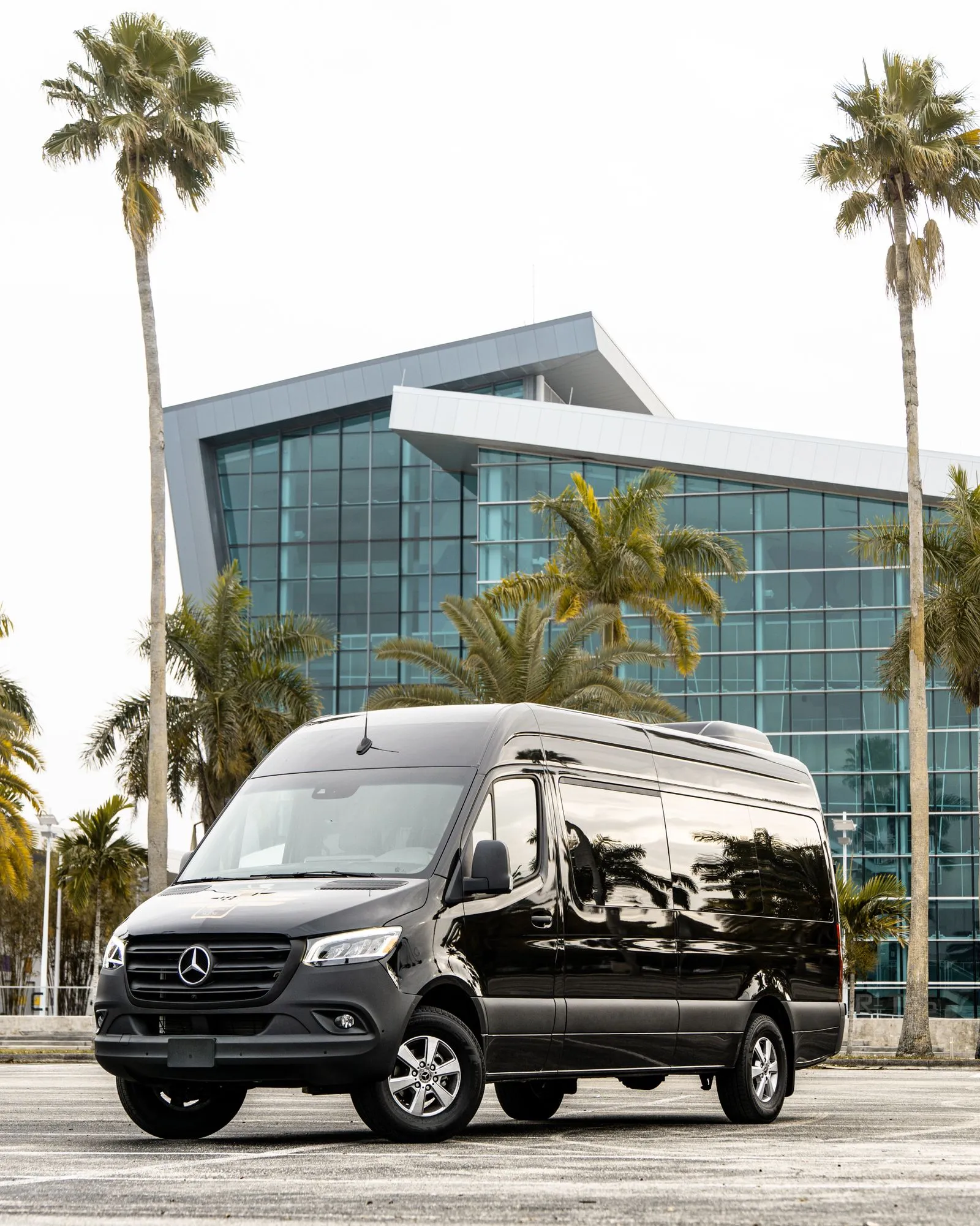
Brewery tours are popular with groups — birthday celebrations, bachelor parties opting for a more relaxed alternative to a bar crawl, or simply a group of friends spending an afternoon together. A Cadillac Escalade suits a smaller group well, while a Mercedes Sprinter van keeps a larger group together across every stop, which matters more on a brewery tour than almost any other outing — nobody wants to split into separate cars mid-tour and risk losing track of the group at the next taproom.
Weather considerations affect a brewery tour differently than most outdoor-focused outings, since most taprooms are indoor, air-conditioned spaces well-suited to a hot New Orleans afternoon that might otherwise push visitors toward a shorter, less ambitious day. A brewery tour booked specifically for the hottest part of summer can actually work in a group's favor, offering a cool, comfortable alternative to a day spent mostly outdoors in the heat.
Designated planning for a non-drinking driver isn't really a consideration here the way it is for a self-driven group, since the chauffeur fills that role for the entire tour by design — one of the clearer, more concrete advantages of booking this kind of outing through a reserved car service rather than assuming one member of a self-driving group will simply abstain for the day.
Booking Your Brewery Tour
Tell dispatch your planned breweries and group size, and we'll recommend the right vehicle and booking structure for a full tasting day. Book online or call (877) 609-1919.
Sharing your list of stops and group size with dispatch ahead of time is really the only planning step that matters most.
Groups who've done a full brewery tour once tend to come back and do it again on a future visit, often adding a neighborhood or two they skipped the first time, since the city's craft beer scene keeps growing and a chauffeur who works these routes regularly stays current on what's new.
Whatever route you choose, the same basic principle holds across every version of this tour: reserve the ride first, then build the stops around it.
Share your list of breweries with dispatch, confirm your total group size, and the rest of the day's planning really does take care of itself from that point forward onward.
Frequently Asked Questions
Are New Orleans breweries within walking distance of each other?
No — unlike a compact brewery district in some cities, New Orleans' craft beer scene is spread across several neighborhoods including the Bywater, Mid-City, and the Warehouse District, requiring real drive time between stops.
Why book a chauffeur instead of using rideshare between breweries?
A reserved vehicle for the full tour avoids the cost and friction of hailing a fresh ride between every stop, and avoids the risk of a driver being unavailable exactly when your group is ready to move on.
Should we book hourly charter for a brewery tour?
Yes, generally — dwell time at any one taproom is unpredictable, and hourly, as-directed charter accommodates that far better than fixed point-to-point bookings between stops.
What vehicle works best for a brewery tour group?
A Cadillac Escalade suits a smaller group, while a Mercedes Sprinter van keeps a larger group together across every stop on the tour.
Do breweries have food available during a tour?
Many New Orleans breweries have food trucks or on-site kitchens, which is worth building into a multi-stop tasting day for better pacing.
Ready to Book Your MSY Airport Transfer?
Flat rates, flight tracking, and professional chauffeurs — available 24/7.