New Orleans Wedding Transportation: The Complete Venue-by-Venue Guide
Every New Orleans wedding venue has its own transportation logistics — narrow Garden District streets, French Quarter street closures, River Road plantation distances. Here's how to plan around each one, vehicle by vehicle and venue by venue.
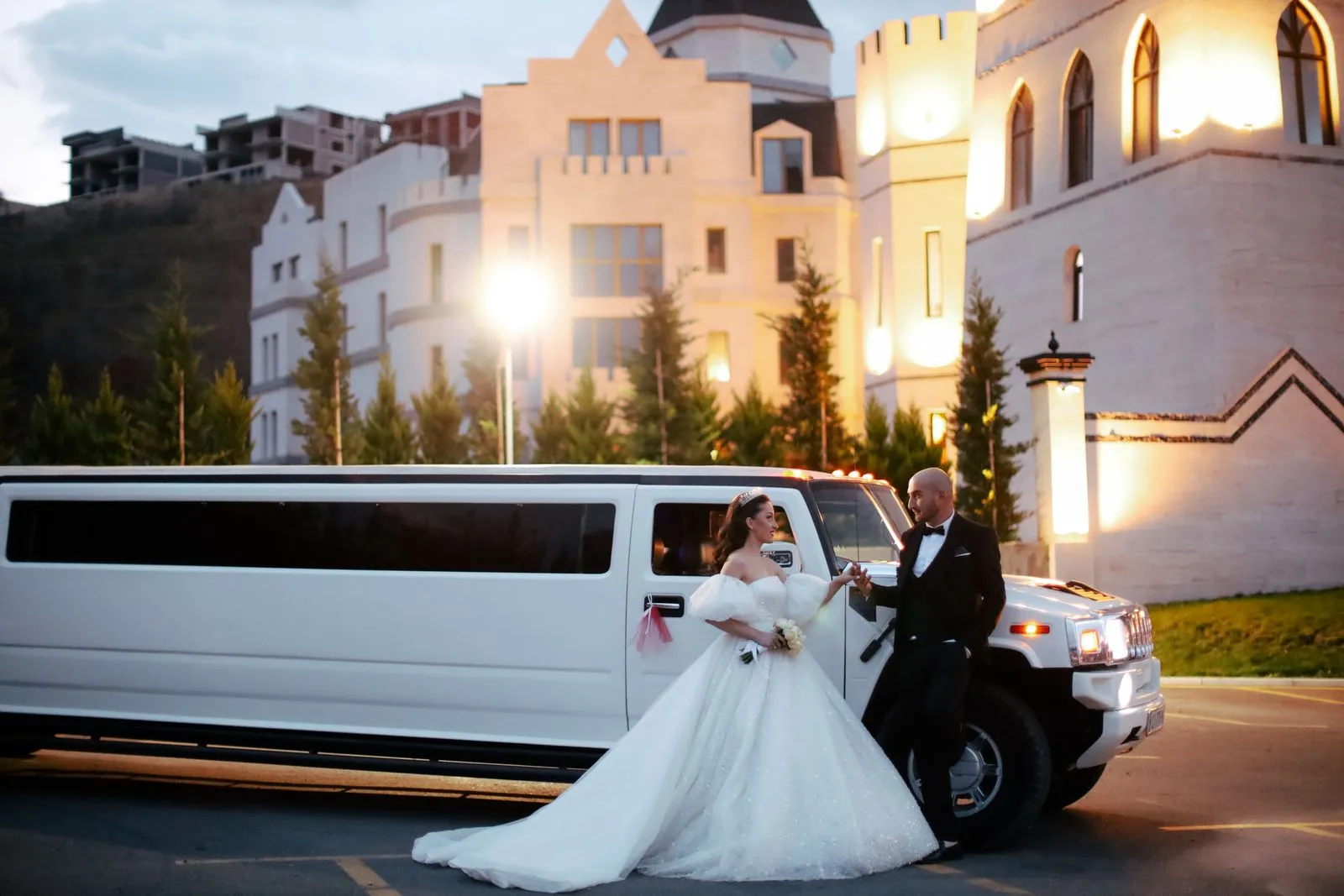
Ask ten wedding planners in New Orleans what the hardest part of the day is to get right, and transportation makes nearly every list — not because it's complicated in the abstract, but because this city's venues are so different from each other that a plan built for one falls apart at the next. A French Quarter courtyard wedding has nothing in common, logistically, with a Garden District mansion wedding or a River Road plantation ceremony an hour upriver. Most wedding limo guides treat "New Orleans" as one market with one set of rules. It isn't. This guide walks through the transportation planning for the city's real, distinct wedding-venue categories — French Quarter, Garden District and Uptown, Northshore, and River Road plantation country — plus the vehicle math, the timeline coordination, and the questions worth asking any transportation company before you book, no matter which neighborhood your venue sits in.
Why New Orleans Weddings Aren't a Single Logistics Problem
Couples planning a New Orleans wedding from out of town often assume the city works like anywhere else — book a limo, give an address, done. Locals and experienced planners know better. The French Quarter closes streets to vehicles with little notice for second-line parades, festivals, and permitted events, sometimes announced only days ahead. The Garden District's most photographed blocks are narrow, tree-canopied, and were never built for a stretch limousine's turning radius. River Road plantation venues sit far enough upriver that "the driver is five minutes away" simply isn't a realistic promise. None of this is a reason to avoid any of these venues — it's a reason to plan transportation around the specific one you've chosen, rather than around a generic idea of what a wedding limo does.
The other thing that makes New Orleans different is the second-line tradition itself. A traditional send-off parade, brass band and all, changes the transportation plan in a way most out-of-town couples don't anticipate until their planner mentions it: vehicles need to be staged somewhere the parade route won't pass through them, and the "getaway car" moment often happens well after the ceremony ends, once the second line has wound its way to the reception. A transportation company unfamiliar with this tradition will plan around it badly, or not at all.
French Quarter Venues: Working Around Street Closures
French Quarter courtyard weddings — at a hotel courtyard, a private residence, or one of the neighborhood's event spaces — are some of the most requested venues in the city, and also the ones with the least predictable vehicle access. The Quarter's narrow streets are frequently closed for parades, festivals, filming, or simple pedestrian congestion, and a closure announced with only a few days' notice is common, not rare. A chauffeur who works this neighborhood regularly checks the city's event calendar and the French Quarter's specific closure patterns in the days before your wedding, not just the morning of.
The practical result: your vehicle may need to stage a block or two away from your actual venue, with a short walk to bridge the gap, rather than pulling directly up to the door the way it would almost anywhere else. This isn't a failure of planning — it's simply how the Quarter works, and a chauffeur who has done this before will tell you exactly where the vehicle will wait well before your wedding day, rather than leaving it as a surprise. For couples marrying at a Quarter venue, we recommend booking the vehicle for a defined block of hourly time rather than a single point-to-point transfer, since a second-line send-off or an unexpected street closure can easily shift the actual pickup time by twenty or thirty minutes either direction.
Garden District and Uptown: Narrow Streets, Real Turning Radius
The Garden District and Uptown hold some of the city's most photographed wedding venues — historic mansions, private gardens, and event spaces along streets canopied by live oaks old enough to have grown around the power lines. Those same streets are narrow, often one-way, and were laid out a century before anyone designed a stretch limousine. A vehicle that looks perfectly reasonable on paper can be the wrong choice for a specific Garden District address if nobody checks the actual street width and turning radius in advance.
This is the neighborhood where vehicle choice matters most. A Cadillac Escalade or a Mercedes-Benz S-Class sedan handles nearly any Garden District or Uptown block without issue. A full stretch limousine is a better fit for the wider avenues — St. Charles Avenue itself, for instance — than for the tight residential streets one block off it. A chauffeur who already knows which blocks near your specific venue can and can't accommodate a longer vehicle will tell you before your wedding day, not discover it by attempting a three-point turn in front of your guests.
St. Charles Avenue also carries its own seasonal wrinkle: during the weeks leading up to Mardi Gras, major parades roll along this exact corridor and the avenue closes to vehicles for hours at a stretch. A late-winter Garden District or Uptown wedding needs its transportation plan built around the parade schedule, not just the ceremony schedule.
Northshore Weddings: Mandeville and Covington
A growing number of New Orleans-area couples marry across the lake, in Mandeville or Covington, drawn by lakefront and wooded venues that feel a world away from the city core despite being a manageable drive from it. The transportation planning here is more straightforward than in the Quarter or Garden District — wider roads, easier parking, no second-line closures to plan around — but it introduces a different variable: distance and the Lake Pontchartrain Causeway crossing.
The Causeway is nearly 24 miles of bridge with no exits, and while it rarely backs up the way city streets do, a chauffeur unfamiliar with its traffic patterns can misjudge timing badly on a Friday evening rehearsal run or a Saturday wedding-day crossing. Guest shuttles for a Northshore wedding, particularly one drawing a New Orleans-based guest list across the lake, are worth planning as a genuine round-trip logistics problem — how many vehicles, how many crossings, and what time the last shuttle needs to leave the reception to get everyone home at a reasonable hour.
River Road Plantation Weddings: The Distance Is Real
Plantation-property weddings along River Road — properties in the same historic corridor as Oak Alley, Whitney, and Laura, discussed in our River Road plantation tour guide — are among the most visually striking wedding venues in the region, and also the ones where out-of-town couples most consistently underestimate the drive. Most sites in this corridor sit forty-five minutes to an hour and a half from New Orleans proper, depending on the specific property and traffic through St. Charles and St. James parishes. This is a genuine day-trip distance, not a suburban hop.
For a River Road wedding, that distance changes several planning decisions at once. Guest shuttles need enough vehicles and round trips to move an entire guest list without anyone waiting an unreasonable amount of time at either end. The wedding party's own transportation needs enough buffer built in that traffic on the route out doesn't turn into a stressful late arrival. And any vendor coordinating hair, makeup, or photography on-site needs their own transportation plan that accounts for the same drive. We recommend treating a River Road wedding's transportation as its own dedicated logistics plan, built well before the week of the wedding, rather than an extension of a city-based plan.
Matching the Vehicle to the Job, Not Just the Aesthetic
Wedding transportation is rarely one vehicle doing one job — it's usually a small, coordinated fleet, each vehicle assigned to a specific part of the day. A Mercedes-Benz S-Class sedan is the traditional choice for the couple's own arrival and departure, with room for a champagne toast in transit and an unmistakably elegant look in photos. A Cadillac Escalade suits a smaller, more intimate wedding party, or a couple who wants a more modern aesthetic than a classic stretch limousine provides. A Mercedes Sprinter van, seating up to thirteen, is the right choice for the full wedding party — bridesmaids, groomsmen, immediate family — keeping everyone together, on schedule, and out of the Louisiana heat and humidity between the ceremony and the reception.
Guest shuttles are their own category entirely, separate from the wedding party's vehicles, and are worth budgeting for whenever your venue has limited on-site parking or your guest list includes people unfamiliar with the city. A shuttle running a simple loop between a hotel block and the venue removes an entire category of day-of stress — nobody circling for parking, nobody arriving late because they misjudged French Quarter traffic, nobody needing a rideshare at 11 p.m. after the reception winds down.
Second-Line Timing: The Detail Out-of-Town Planners Miss
A traditional New Orleans second-line — the couple, wedding party, and guests parading behind a brass band from the ceremony toward the reception, or through a few blocks of the French Quarter or Garden District for photos and celebration — is one of the most requested traditions by couples marrying here, including plenty who aren't from Louisiana and simply want the experience. It's also the single detail most likely to be planned badly by a transportation company unfamiliar with how it actually works.
The core issue: your "getaway vehicle" moment doesn't happen right after the ceremony the way it would at a typical wedding. It happens after the second line concludes, which can be twenty minutes to an hour later, and often at a different location than where the ceremony ended. A chauffeur coordinating a second-line wedding needs to know the parade route in advance, stage the vehicle somewhere along or near that route rather than back at the ceremony site, and be ready to move the moment the band winds down — not sit waiting at the wrong address wondering where the wedding party went.
Building a Realistic Wedding-Day Timeline
The weddings that run smoothest almost always share one thing: a transportation plan built around a real, hour-by-hour timeline shared with the transportation company in advance, not assembled the morning of. That timeline should include getting-ready location and time, ceremony time and venue, any second-line or photo-stop plans, reception venue and time, and a clear sense of when the couple actually plans to leave the reception. Multi-stop days — a hotel to a French Quarter ceremony to a Garden District reception, for instance — need buffer time built in at each transition, not back-to-back scheduling that assumes zero traffic and zero delay.
Sharing a draft timeline when you first inquire, even an unfinished one, lets an experienced wedding transportation coordinator flag realistic timing problems before the day rather than discovering them in real time. A fifteen-minute buffer that looks fine on paper often isn't once you account for a bridal-party photo stop, a second line, or ordinary French Quarter foot traffic.
What to Ask Any Wedding Transportation Company Before You Book
Not every company advertising wedding limo service in New Orleans actually operates as a licensed, insured commercial carrier, and the difference matters most on the one day you can't afford a problem. Before booking anyone for your wedding, it's worth asking directly: Is the company a licensed and insured commercial carrier, not simply a private driver with a nice car? Are the chauffeurs background-checked and professionally trained, not simply available that day? Is the rate a flat, written quote confirmed before the wedding, or an estimate that can change? And critically for a city like this one — does the company have real, specific experience with your venue's neighborhood, whether that's French Quarter street closures, Garden District turning radius, or the River Road drive?
A company that answers all four clearly and specifically, rather than in vague reassurances, is one that has actually done this before. MSY Limo Service is a licensed and insured Louisiana carrier, and every wedding chauffeur on our roster is background-checked and trained specifically on the logistics covered in this guide — French Quarter staging, Garden District street widths, Northshore Causeway timing, and River Road distances alike.
Booking Timeline: When to Reserve Your Wedding Transportation
Wedding transportation should be booked well before most other wedding vendors get locked in, particularly for peak wedding season (spring and fall) and any date near a major New Orleans festival or event weekend, when vehicle availability across the whole city tightens. We recommend booking at least two to four weeks out at an absolute minimum, and considerably earlier — ideally as soon as your venue and date are confirmed — if your plan involves multiple vehicles, a second-line coordination, or a River Road or Northshore venue with its own distance logistics to plan around.
Every wedding reservation includes a written, flat-rate quote confirmed before your wedding day, professionally uniformed chauffeurs, and the same 24/7 dispatch support behind every other trip we run. For the full breakdown of package inclusions — decorated vehicles, red carpet service, a complimentary champagne toast — see our wedding limo service page, or read our companion wedding planning guide for more on vehicle choice and booking timeline specifically.
Ready to Plan Your Wedding Transportation?
Whether your venue is a French Quarter courtyard, a Garden District mansion, a Northshore lakefront property, or a River Road plantation, the right transportation plan starts with the specific logistics of that specific venue — not a generic wedding-limo package. Contact our wedding coordination team with your venue, date, and rough guest count, or request a quote online. You can also call us directly at (877) 609-1919, 24 hours a day, to talk through your timeline with a real person.
Frequently Asked Questions
How far in advance should we book wedding transportation in New Orleans?
At least two to four weeks minimum, and considerably earlier for peak spring or fall wedding season, festival weekends, or any wedding involving multiple vehicles or a second-line coordination. Multi-vehicle bookings fill fastest.
Can a stretch limousine actually get to our Garden District venue?
It depends on the specific block. Many Garden District and Uptown streets are narrow and tree-lined with a tight turning radius that doesn't suit a full stretch limo. We check your exact venue address in advance and recommend a Cadillac Escalade or sedan instead when the street calls for it.
What happens to our transportation plan if the French Quarter has a street closure on our wedding day?
We check the city's event calendar and known closure patterns in the days before your wedding. If your venue's street is closed, your vehicle stages as close as the city allows and your chauffeur plans a short walk to bridge the gap — this is normal for Quarter weddings, not a sign anything went wrong.
Do you coordinate transportation around a second-line parade?
Yes — this is one of the most common requests we get. Your chauffeur stages along or near the actual second-line route rather than at the ceremony site, and times the getaway vehicle to when the parade concludes, which is often later and at a different location than the ceremony itself.
How far is a River Road plantation wedding venue from New Orleans?
Most River Road properties sit roughly 45 minutes to an hour and a half from the city, depending on the specific site and traffic through St. Charles and St. James parishes. We treat this as a genuine day-trip distance in your timeline, not a quick suburban drive.
Do you provide guest shuttles for weddings, or only vehicles for the couple and wedding party?
Both. Guest shuttles are booked separately from the wedding party's vehicles and are especially worth budgeting for at venues with limited on-site parking, Northshore venues requiring a Causeway crossing, or River Road properties far from guests' hotels.
Can you handle a wedding that crosses the Lake Pontchartrain Causeway?
Yes. Our chauffeurs plan Causeway crossing times around real traffic patterns, not just distance on a map, which matters most for a Friday rehearsal run or a Saturday evening reception shuttle.
What vehicles do you offer for weddings?
A Mercedes-Benz S-Class sedan for the couple, a Cadillac Escalade for a smaller or more modern-styled wedding party, a Mercedes Sprinter van seating up to thirteen for the full wedding party, and stretch limousines where the venue's streets accommodate one.
Is the rate for wedding transportation flat, or can it change?
Every wedding booking is a written, flat rate confirmed before your wedding day. It does not change due to traffic, second-line timing, or a longer-than-expected day, as long as the original scope of the booking holds.
What should we ask any wedding transportation company before booking?
Whether they're a licensed and insured commercial carrier (not just a private driver), whether chauffeurs are background-checked and trained, whether the rate is a flat written quote, and whether they have specific experience with your venue's neighborhood — French Quarter, Garden District, Northshore or River Road each have different logistics.
Ready to Book Your MSY Airport Transfer?
Flat rates, flight tracking, and professional chauffeurs — available 24/7.