A Chauffeured Tour of Uptown Mansions and the St. Charles Avenue Streetcar Line
St. Charles Avenue runs nearly six oak-canopied miles from downtown to the bend at Carrollton, past mansions the streetcar has been rattling by for over a century. Here's how a chauffeured tour covers it properly, well past where most Garden District visits stop.
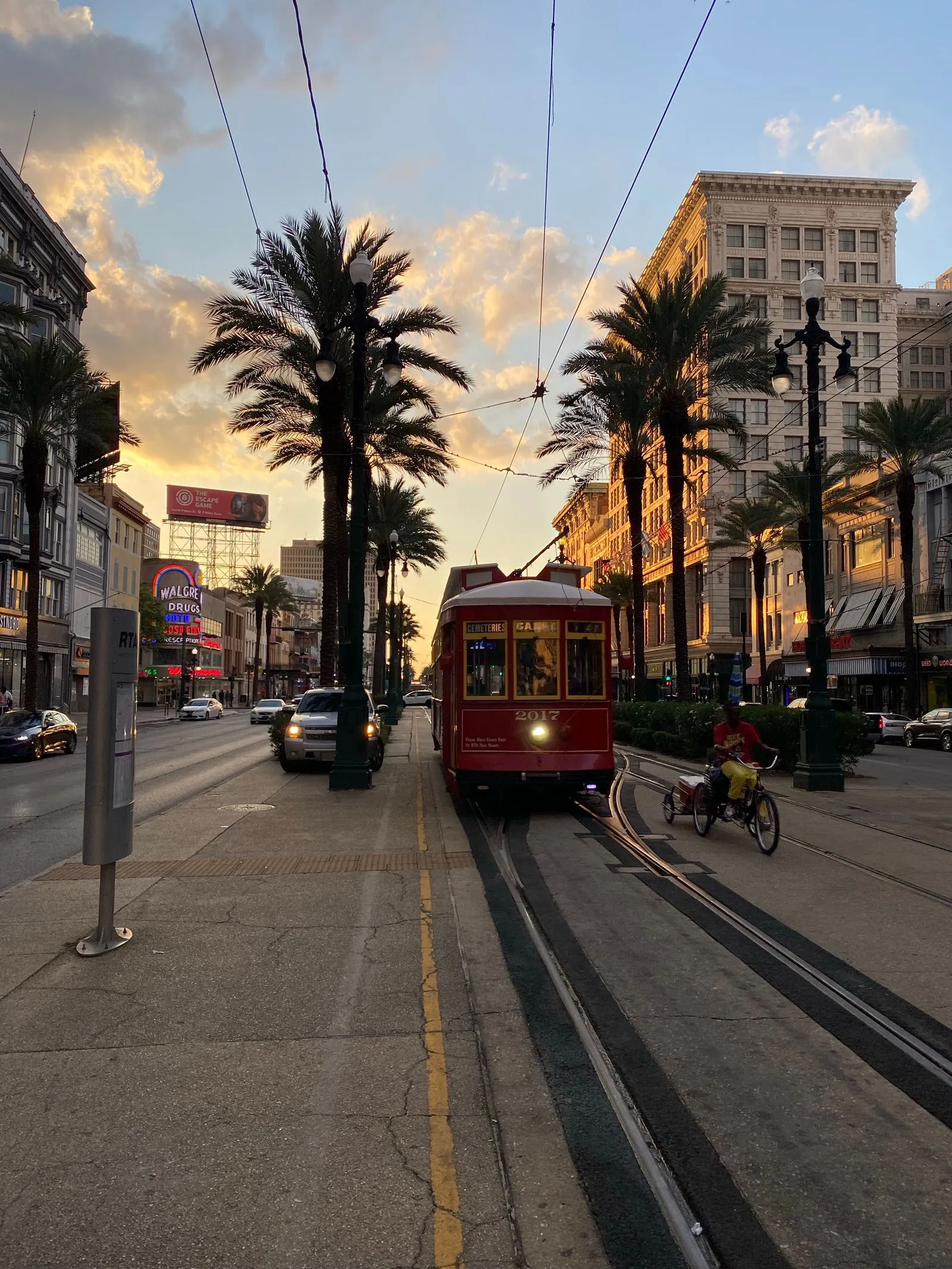
Most visitors who tour St. Charles Avenue stop at the Garden District — a handful of famous blocks, a walk past Lafayette Cemetery, and back downtown. That's a fine afternoon, but it covers only the first third of what the avenue actually offers. St. Charles Avenue keeps going for miles beyond the Garden District, past block after block of architectural styles spanning a century and a half, through the university district, and along the edge of Audubon Park before curving onto Carrollton Avenue. A proper chauffeured tour of Uptown treats the whole corridor as the destination, not just its opening stretch, and it's a very different afternoon than the one most first-time visitors plan for themselves. Locals who grew up in the area often say the Garden District gets the tourist attention while the quieter, grander stretch further Uptown gets overlooked entirely, which is a shame given how much of the avenue's real character lives in those less-visited blocks.
The Avenue as a Timeline in Architecture
What makes a slow drive up St. Charles genuinely worthwhile is how visibly the architecture changes as the avenue moves upriver. Near the Garden District, the mansions run heavily Greek Revival and Italianate, with columned porches and raised foundations built for a much older New Orleans, reflecting the wealth of the cotton and shipping merchants who built the neighborhood in the mid-1800s. Moving further Uptown, the style shifts toward the ornate Victorian and Queen Anne homes of the late 19th century, with steep rooflines, turrets, and elaborate millwork that mark a distinctly different era of the city's growth.
Closer to the universities, the architecture shifts again into the more varied early-20th-century houses that fill out the blocks near Audubon Park. Walking this stretch would take the better part of a day and cover a fraction of the distance a car window lets you take in comfortably, block after block, without losing the thread of how the neighborhood's wealth and taste evolved decade by decade. A chauffeur who drives this route regularly can point out the transitions as you pass through them, turning a scenic drive into something closer to a guided architectural tour than a simple point-to-point ride.
Guidebooks tend to flatten the avenue's architecture into a single description — "grand mansions" — that undersells just how much variety exists within that single word once you actually take the time to look block by block rather than glancing from a moving car window on the way to somewhere else.
What makes this especially rewarding compared with reading about the architecture beforehand is how the transitions actually happen gradually rather than in sharp blocks — a Greek Revival column gives way to a Victorian turret over the course of several intermingled blocks rather than a clean dividing line, which is exactly the kind of detail that's easy to miss on a rushed walk but genuinely visible from a slow-moving car with time to actually look. Longtime residents who grew up along the avenue often say the mansions themselves are only half the story; the live oak canopy overhead, planted and maintained across generations, is what actually ties the whole corridor's very different architectural eras together into one coherent, unmistakably New Orleans streetscape.
The Streetcar Line Itself
Beyond the practical touring advantages, there's something worth acknowledging about pairing a modern chauffeured vehicle with a piece of transit infrastructure this old — the streetcars themselves have become such a fixture of the avenue's identity that the mansions and the rail line are difficult to picture separately, each shaping how visitors experience the other on a slow pass up the avenue. Photographers and history enthusiasts alike gravitate toward capturing the streetcar itself passing beneath the oak canopy, a genuinely iconic New Orleans image that a slow-moving chauffeured vehicle gives you time to properly frame rather than catching only a fleeting glimpse from a moving rideshare.
The green cars of the St. Charles line have run this route since the 1830s, making it one of the oldest continuously operating streetcar lines in the world, and riding it once is worth doing for its own sake. But for a touring day with a specific pace and several stops in mind, a chauffeured vehicle alongside the same route offers something the streetcar can't: the ability to slow down at a particular block, circle back for a second look at a mansion that catches your eye, or pause for photos without waiting for the next car or navigating the historic cars' high boarding steps with a stroller or mobility concerns.
Most visitors do best pairing both — a short streetcar ride for the experience of riding a piece of living history down the neutral ground, and a chauffeured drive for the actual touring, where you set the pace rather than the transit schedule. Riding the streetcar for a stretch and then rejoining your vehicle further up the avenue is a popular way to get a taste of both without committing an entire afternoon to one or the other, and it's a combination locals often recommend to first-time visitors specifically for that reason.
Past the Garden District: Audubon Park, Tulane, and Loyola
This is the stretch most Garden District day-trippers never see. Continuing Uptown past Napoleon Avenue, the mansions along St. Charles grow larger and further set back from the street, with deeper lawns and more elaborate landscaping than the tighter lots closer to downtown. The avenue then opens onto Audubon Park — an expansive, oak-lined green space running from the avenue down toward the Mississippi River, with Audubon Zoo at its far end near the river side of the park.
Visitors who only have time for the classic Garden District stretch often assume they've seen the best of what St. Charles Avenue offers, and it's genuinely worth correcting that impression on a longer tour, since the mansions in this stretch — set back further from the road with fuller, older tree canopies overhead — read as noticeably grander from the slow pace of a car window than anything glimpsed on a quick walking loop closer to downtown.
Directly across from the park, Tulane University and Loyola University New Orleans sit side by side on St. Charles Avenue, their campus buildings and quads visible from the road, adding a genuinely different architectural texture to the drive than the residential mansions that precede it. A chauffeured pass through this section, with a stop to walk part of Audubon Park, rounds out a St. Charles tour in a way a Garden-District-only visit simply can't. Families visiting for a Tulane or Loyola event have a different set of logistics worth reading separately — see our guide to Tulane and Loyola parents weekend and move-in transportation.
Where the Avenue Ends: The Carrollton Bend
St. Charles Avenue's run concludes where it curves onto South Carrollton Avenue near the river bend, a quieter, more residential turn that marks the natural endpoint of a touring drive. This final stretch has a noticeably different character than the grand mansion blocks closer to downtown — smaller homes, a more neighborhood feel, and the sense of having reached the edge of the city's historic streetcar suburbs rather than its grandest showcase blocks.
Many visitors use this final stretch as a turnaround point before heading back downtown or continuing to a Magazine Street stop nearby — see our Magazine Street shopping guide if you're combining the two into one afternoon, since the streets run roughly parallel for much of their length and switching between them is a short drive.
Timing and Planning Your Tour
A focused drive along the full length of St. Charles Avenue, with a few photo stops and a short walk through Audubon Park, comfortably fits into two to three hours. Pairing it with a Garden District walking stop or a Magazine Street detour extends a natural half-day into a fuller one, and many visitors build a full day around the combination. This kind of open-ended, stop-and-go day is exactly what hourly charter is built for — the vehicle stays with you rather than being booked as a single point-to-point trip, and there's no meter running while you're out of the car taking photos.
Morning light and late-afternoon light both photograph this corridor beautifully but for different reasons — a morning drive catches the avenue before traffic builds and while the live oaks still hold a bit of overnight mist in cooler months, while a late-afternoon pass brings warmer, more golden light through the canopy that many photographers specifically chase for portrait sessions along this exact stretch. Either way, avoiding the middle of a hot summer afternoon, when both the light is flattest and the humidity is heaviest, tends to make for a more comfortable and more visually rewarding tour.
One seasonal note worth planning around: during the weeks leading up to Mardi Gras, most major parades roll along this exact route and the avenue closes to vehicles for hours at a time, so a leisurely touring drive isn't realistic during Carnival season — see our Garden District and Uptown transportation guide for how that affects the corridor. Book your Uptown touring day online or call (877) 609-1919.
Frequently Asked Questions
How long is the drive along the full St. Charles Avenue corridor?
The avenue runs nearly six miles from the edge of downtown to the Carrollton bend. A focused touring drive with photo stops and a walk through Audubon Park typically takes two to three hours.
Is this tour different from a Garden District tour?
Yes. A Garden District tour typically covers only the first stretch of St. Charles Avenue. This tour continues well past it, through the architecture shift toward Uptown, past Audubon Park, Tulane and Loyola, to the Carrollton bend.
Should I ride the streetcar or book a chauffeur for this tour?
Many visitors do both — a short streetcar ride for the historic experience, and a chauffeured drive for the actual touring, since a car can slow down, circle back, and stop for photos in ways the streetcar schedule doesn't allow.
Can I combine an Uptown tour with Magazine Street shopping?
Yes. The two pair naturally into one afternoon under hourly charter — a scenic drive up St. Charles Avenue followed by time browsing Magazine Street's shopping clusters.
How much waiting time is included?
Airport pickups include 45 minutes of complimentary waiting time on domestic arrivals and 60 minutes on international arrivals, timed from actual touchdown. All other pickups include 15 minutes.
Ready to Book Your MSY Airport Transfer?
Flat rates, flight tracking, and professional chauffeurs — available 24/7.