First Time in New Orleans: A Visitor's Guide to Getting Around
New Orleans rewards a little orientation before you land. Here's the city laid out plainly for a first-time visitor — the neighborhoods, the walking rules, and what's worth reserving in advance.
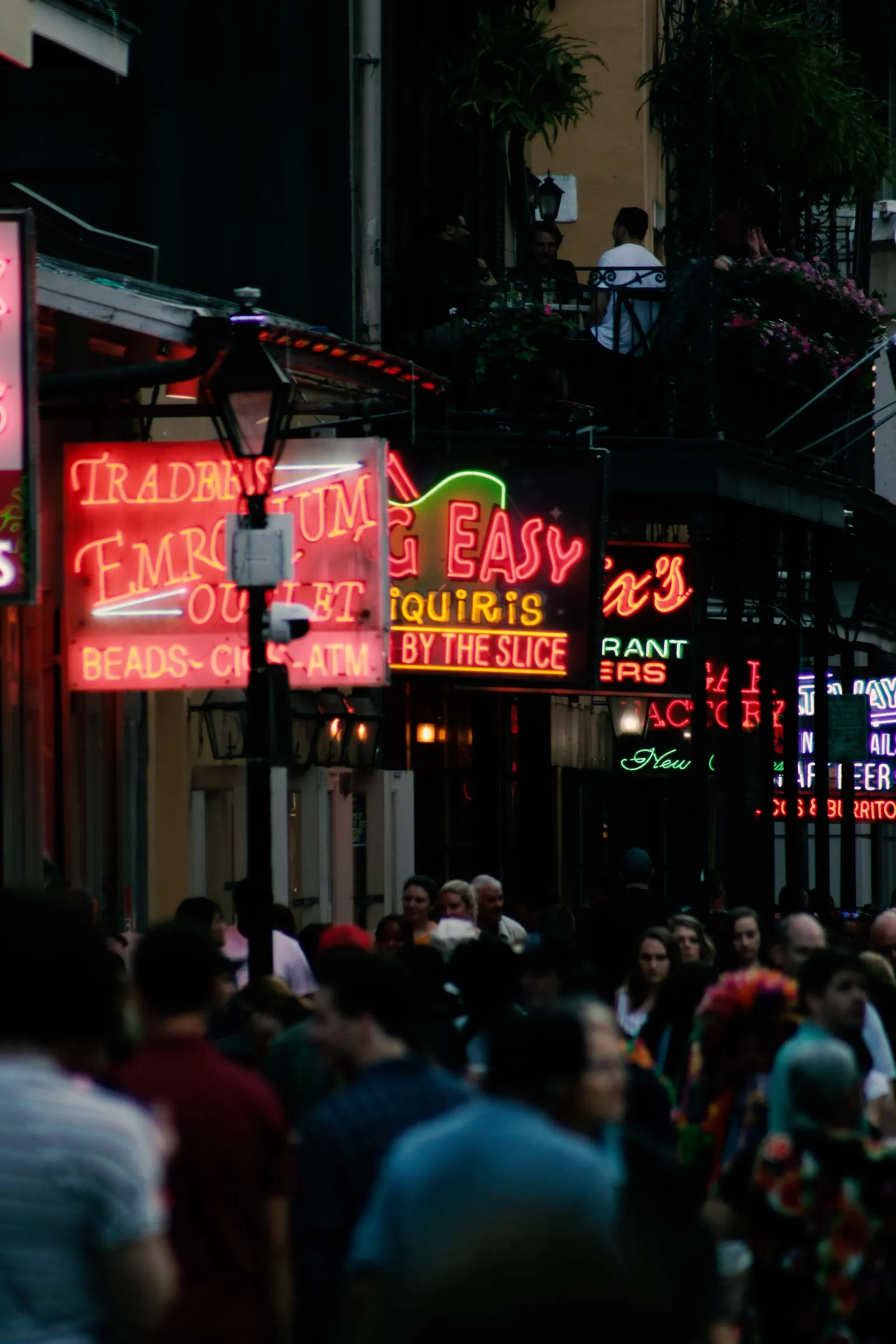
New Orleans doesn't work quite like most American cities, and a first-time visitor who arrives without a mental map tends to lose a day figuring out what the locals already know. This guide is the orientation: how the city is laid out, how people actually move through it, and what decisions are worth making before you land rather than after.
The City Isn't on a Grid, and Locals Use River Directions
New Orleans sits inside a bend of the Mississippi River, which means "north" and "south" are not how anyone here gives directions. Locals say "uptown" (upriver), "downtown" (downriver), "riverside" and "lakeside" (toward Lake Pontchartrain). It takes a day to adjust, and a chauffeur or a rideshare driver will understand you either way, but knowing the vocabulary helps when a hotel concierge or a local tells you which way to walk.
The Neighborhoods, Briefly
The French Quarter is the oldest neighborhood and the one most visitors picture: narrow colonial streets, Bourbon Street's nightlife, and Jackson Square. It's extremely walkable and mostly closed to easy vehicle access on its busiest blocks — see our French Quarter transportation guide for the specifics. The Central Business District (CBD) and Warehouse District sit just upriver, home to most convention hotels, the Ernest N. Morial Convention Center and the National WWII Museum. Further upriver, the Garden District and Uptown hold the mansion-lined streets along St. Charles Avenue, Audubon Park and Tulane and Loyola — our Garden District and Uptown guide covers that stretch in detail. Downriver from the Quarter, the Marigny and Bywater hold Frenchmen Street's live music clubs and a quieter, more residential feel.
When to Walk, When to Ride
Inside the French Quarter, the CBD and the Warehouse District, walking is usually the fastest and most pleasant option — these neighborhoods are compact, flat and full of things worth seeing along the way. The historic St. Charles Avenue streetcar is a scenic, inexpensive way to get between downtown and Uptown, though it's slow and not built for a tight schedule. For anything with a deadline — an airport departure, a dinner reservation, a wedding, a show start time — or for moving between neighborhoods that aren't an easy walk, a reserved car or rideshare is the better call. Our Uber vs. limo service guide breaks down exactly which kind of trip calls for which option.
Most Visitors Don't Need a Rental Car
If your trip stays mostly within the Quarter, downtown and Uptown, a rental car is often more burden than benefit: parking is scarce and often costly at hotels, many streets are narrow and one-way, and the places you'll actually want to go are walkable or a short ride away. A rental starts to make sense only if you're planning day trips to plantation country, the Northshore or further afield — see our Northshore transportation guide for an example of that kind of trip.
Book the Airport Transfer Before You Land
Louis Armstrong New Orleans International Airport (MSY) sits in Kenner, about 30 minutes from downtown in light traffic. For a first visit, arriving to find a chauffeur already tracking your flight and waiting with your name removes one layer of unfamiliar-city stress at exactly the moment you have the least patience for it. Our MSY airport transportation guide walks through every ground transportation option if you'd rather compare them yourself.
What Changes During Major Events
New Orleans hosts Mardi Gras, Jazz Fest, French Quarter Fest, Essence Festival and Saints game days, and any one of them can reroute an entire part of the city with little warning. If your visit overlaps with a major event, build extra time into every plan involving a deadline, and consider reserving transportation for at least your airport runs rather than hoping a rideshare is nearby when the parade ends.
A Few Practical Notes for First-Timers
- Hurricanes season runs June through November. It rarely disrupts a trip, but it's worth a glance at the forecast before you fly, especially late summer and early fall.
- Afternoon thunderstorms are routine in summer. They tend to pass quickly, but they can affect an outdoor plan or a pickup time.
- Tipping and cash for street performers and local culture are part of daily life here — carrying some small bills helps.
- The city is genuinely walkable, but streets can be uneven. Comfortable shoes matter more here than in most American tourist destinations.
Getting Started
Book your airport transfer online or call (877) 609-1919 — we can also help you think through the rest of your itinerary if you tell us roughly what you're planning to see.
Frequently Asked Questions
Do I need a rental car for a first visit to New Orleans?
Most first-time visitors don't, especially if your trip stays within the French Quarter, downtown and Uptown. Those areas are walkable or a short ride apart, and parking is scarce and often costly. A rental makes more sense for day trips to plantation country or the Northshore.
How do New Orleans neighborhoods relate to each other?
The French Quarter is the oldest and most central. The CBD and Warehouse District sit just upriver with most convention hotels. Further upriver are the Garden District and Uptown. Downriver from the Quarter are the Marigny and Bywater.
Is New Orleans safe to walk around as a first-time visitor?
The well-traveled parts of the French Quarter, CBD and Garden District are generally fine during the day and in busy evening hours. Use the same common sense you would in any city at night — stick to well-lit, populated streets and consider a reserved ride for late returns.
Should I book an airport transfer in advance for my first trip?
Yes, it removes one source of stress on an unfamiliar-city arrival. A flight-tracked, flat-rate pickup means someone is already waiting with your name rather than you navigating rideshare pickup logistics for the first time.
What should I know about visiting during a major event like Mardi Gras or Jazz Fest?
Street closures and crowding can affect any plan with a deadline. Build in extra time, and consider reserving at least your airport transfers in advance since vehicle availability tightens significantly during these windows.
Ready to Book Your MSY Airport Transfer?
Flat rates, flight tracking, and professional chauffeurs — available 24/7.