Tchoupitoulas, Burgundy and Calliope: How to Pronounce New Orleans Street Names
New Orleans street names come from French kings, Spanish governors, Greek muses and Native American words — and locals pronounce them their own way. Here's a visitor's guide to saying them like you've been here before.
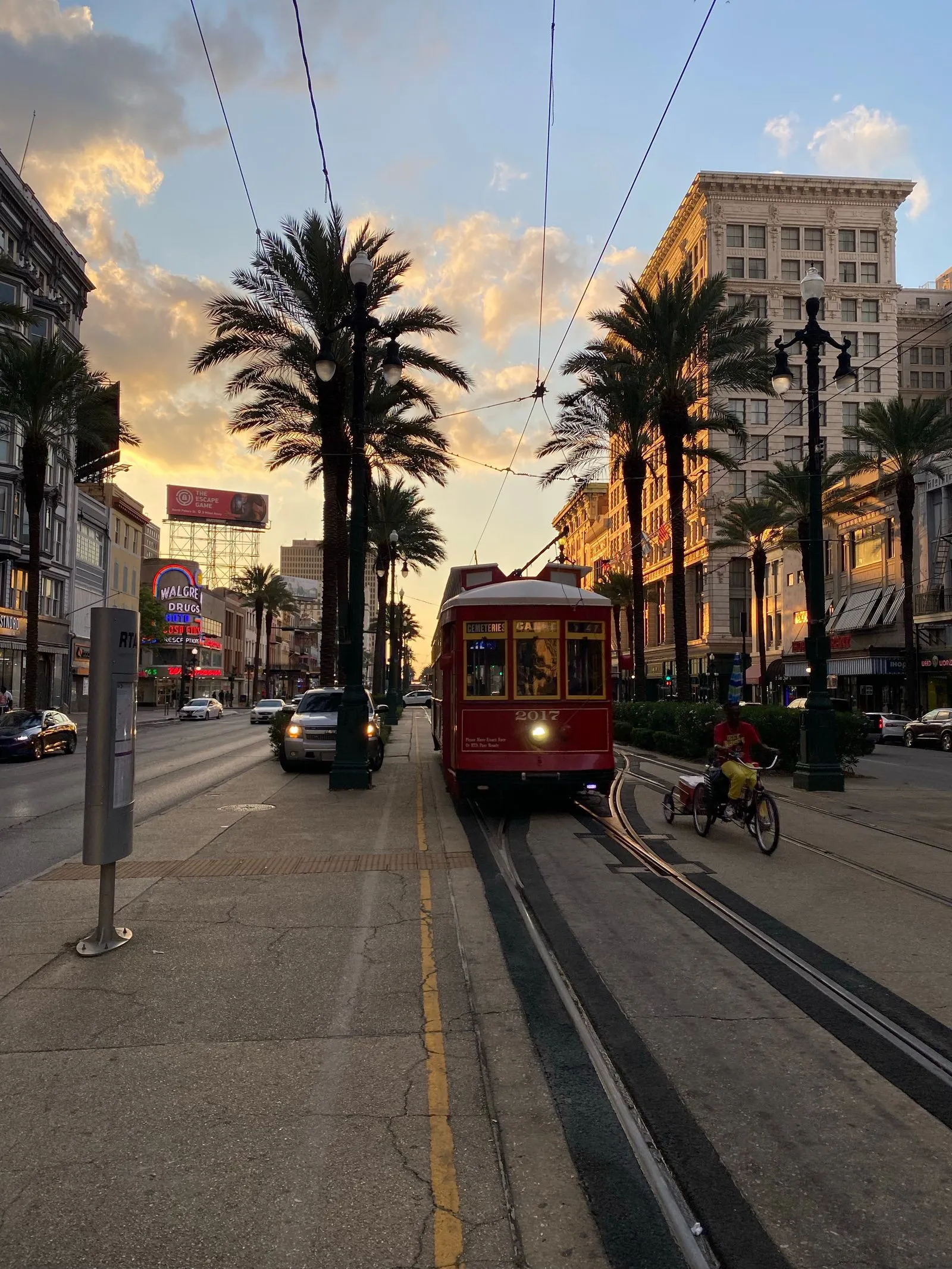
Every visitor to New Orleans has the moment. You read a street sign — Tchoupitoulas, Burgundy, Calliope — say it out loud the way it's spelled, and a local gently corrects you. New Orleans street names come from French royalty, Spanish colonial officials, Greek mythology and Native American languages, and over three centuries the city has developed its own way of saying almost all of them. Here's a guide to the names visitors stumble over most, with pronunciations as New Orleans guides commonly render them.
A Quick Word About "Correct"
There's no official pronunciation dictionary for New Orleans streets. Pronunciations vary between neighborhoods, generations and families, and locals will happily argue about some of them. The versions below are the ones local guides and New Orleans media commonly give; where locals disagree, we've noted it. Capital letters show the stressed syllable.
The French Quarter Streets
The Quarter's grid was laid out in the early 1700s, and many street names honor French royalty, nobility and saints. Rule of thumb: the city usually doesn't pronounce them the way Paris would.
- Chartres: CHAR-ters. Not the French "shartr."
- Burgundy: bur-GUN-dee. The stress lands in the middle, unlike the wine or the region of France.
- Conti: KAHN-tye. It rhymes with "pie," not "tea."
- Dauphine: daw-FEEN.
- Toulouse: TOO-loose.
- Iberville: EYE-ber-vil.
- Dumaine: DU-main.
- Decatur: de-KAY-tur. Named for the American naval hero Stephen Decatur, not French at all.
The French Quarter's borders have their own names: Esplanade (ES-plahn-aid) Avenue on the downriver side, and Canal Street on the upriver side. Our French Quarter car service page covers how pickups work on these narrow, mostly one-way streets.
Why Street Names Change at Canal Street
Cross Canal Street from the French Quarter into the CBD and something strange happens: many streets change their names. Royal Street becomes St. Charles Avenue, Bourbon becomes Carondelet, Chartres becomes Camp and Decatur becomes Magazine. The split dates to the early 1800s, when the old Creole city in the Quarter and the growing American sector upriver developed side by side, each naming its own streets. Canal Street's wide median sat between them, and New Orleanians still call any street median the "neutral ground" today. For visitors, the practical lesson is simple: an address on Royal and one on St. Charles may be on the same line on the map, but they're different streets, so always double-check which side of Canal you mean.
Tchoupitoulas: The Big One
Tchoupitoulas Street runs along the river from the CBD through Uptown, and its name is the city's most famous tongue-twister. The name is generally traced to a Native American word and group associated with the area. Locals say it roughly CHOP-uh-TOO-lus, and many just call it "Chop." Even locals vary on the ending — you'll hear "-lus," "-liss" or "-luh" — so pick one and say it with confidence.
The Muses of the Lower Garden District
Between the CBD and the Garden District, a group of parallel streets is named for the nine Muses of Greek mythology: Calliope, Clio, Erato, Thalia, Melpomene, Terpsichore, Euterpe, Polymnia and Urania. In Greek, most of these end with a pronounced "-ee" sound. In New Orleans, many of them don't.
- Calliope: CAL-ee-ope, rhyming with "rope" at the end, not the Greek "ka-LYE-uh-pee."
- Melpomene: MEL-pa-meen, with no final "-ee."
- Euterpe: YOO-terp.
- Clio: Usually CLEE-oh, though some guides give "KLY-oh." The old joke is to call it "C-L-ten," because the letters "io" look a bit like the number 10.
Not every Muse street has a single agreed pronunciation, and residents can be passionate about their versions. When in doubt, listen to how your hotel staff or chauffeur says it.
Uptown and Garden District Names
- Prytania: pra-TAN-ya. Prytania Street runs through the Garden District and Uptown.
- Carondelet: ka-rahn-duh-LET, named for a Spanish colonial governor.
- Milan: MY-lan, not like the city in Italy.
- Baronne: buh-ROHN.
- Poydras: POY-drus. This big CBD boulevard leads to the Superdome.
- Dryades: DRY-ads.
Our Uptown car service page covers rides to restaurants, universities and homes across Uptown and the Garden District.
Neighborhoods and Beyond
- Tremé: trem-AY. The historic neighborhood just across Rampart Street from the Quarter.
- Marigny: MARE-uh-nee, named for Bernard de Marigny.
- Faubourg: FOH-burg, meaning a neighborhood that grew outside the old city.
- Derbigny: DER-ba-nee.
- Metairie: MET-a-ree, often shortened by locals to something closer to "MET-ree."
- Chef Menteur Highway: SHEF-man-TOUR, the road heading east toward New Orleans East.
- Orleans Avenue: or-LEENS — though the city's own name is said many ways, from "New OR-lins" to "New Or-LEENS."
Where the Names Come From
The names themselves are a history lesson. The French Quarter grid, laid out in the early 1700s, honored the French royal family and nobility — the House of Bourbon, the Duke of Orléans, the Prince of Conti, the Count of Toulouse, the Duke of Chartres — along with the Dauphine, a royal title tied to the heir to the throne. Spanish rule later in the 18th century left names such as Carondelet and Miro, after colonial governors. Then, as the American city expanded upriver in the 19th century, developers reached for classical references, which is how a working port city ended up with streets named for Greek Muses and Prytania, after the Prytaneum, the civic hall of ancient Greek cities. Native American names, including Tchoupitoulas, are among the oldest of all.
Knowing the backstory won't make the pronunciation easier, but it does explain why the city doesn't follow textbook French or Greek: these names have been spoken by New Orleanians, in a New Orleans accent, for two or three centuries.
Why Pronunciation Matters for Your Ride
Pronunciation isn't just trivia. When you're giving directions to a driver, calling a restaurant or asking for help, saying the street the local way helps people understand you quickly. A few practical tips:
- Always give a cross street. Many New Orleans streets are long, and some names sound alike when spoken. "Tchoupitoulas at Napoleon" is far clearer than an address alone.
- Spell it in writing. When booking, type the full address, so pronunciation never becomes an issue.
- Mention landmarks. "The hotel on Poydras across from the Superdome" helps on busy event days.
- Know the directions. Locals give directions by "uptown," "downtown," "riverside" and "lakeside" rather than north, south, east and west, because the river curves the street grid.
Riverside, Lakeside, Uptown, Downtown
That last point trips up nearly every newcomer. Because the Mississippi bends around the city, streets don't follow a neat compass grid. Instead, locals say "riverside" (toward the Mississippi), "lakeside" (toward Lake Pontchartrain), "uptown" (upriver) and "downtown" (downriver). If someone says the restaurant is on the "lake side of St. Charles, uptown of Napoleon," they're giving you precise directions. Our first-time visitor's guide to New Orleans covers more local orientation tips.
Booking Your Ride
You don't have to master Tchoupitoulas before you arrive. When you book, type in your pickup and drop-off addresses and add a cross street or landmark in the notes; your chauffeur will handle the rest, whatever the street sign says. Rates are flat and confirmed before you book, with non-airport pickups including 15 minutes of complimentary waiting time. Call (877) 609-1919 or book online.
Frequently Asked Questions
How do you pronounce Tchoupitoulas?
Locals say it roughly CHOP-uh-TOO-lus, and many just call it "Chop." The ending varies between -lus, -liss and -luh, so pick one and say it with confidence.
How do you pronounce Burgundy Street in New Orleans?
Bur-GUN-dee, with the stress on the middle syllable, unlike the wine or the region of France.
How do New Orleanians pronounce Calliope?
CAL-ee-ope, ending like "rope," rather than the Greek ka-LYE-uh-pee. Calliope is one of several streets named for the nine Muses of Greek mythology.
How do you say Chartres and Conti?
Chartres is CHAR-ters, and Conti is KAHN-tye, rhyming with "pie." Both are French Quarter streets.
What do riverside and lakeside mean in New Orleans directions?
Riverside means toward the Mississippi and lakeside means toward Lake Pontchartrain. Locals also use uptown (upriver) and downtown (downriver) because the river curves the street grid.
Ready to Book Your MSY Airport Transfer?
Flat rates, flight tracking, and professional chauffeurs — available 24/7.