What Is a Second Line Parade? New Orleans's Wedding Tradition Explained
Couples planning a New Orleans wedding often hear about second lines before they fully understand what one is. Here's the tradition, in plain terms, and what it means for the day's logistics.
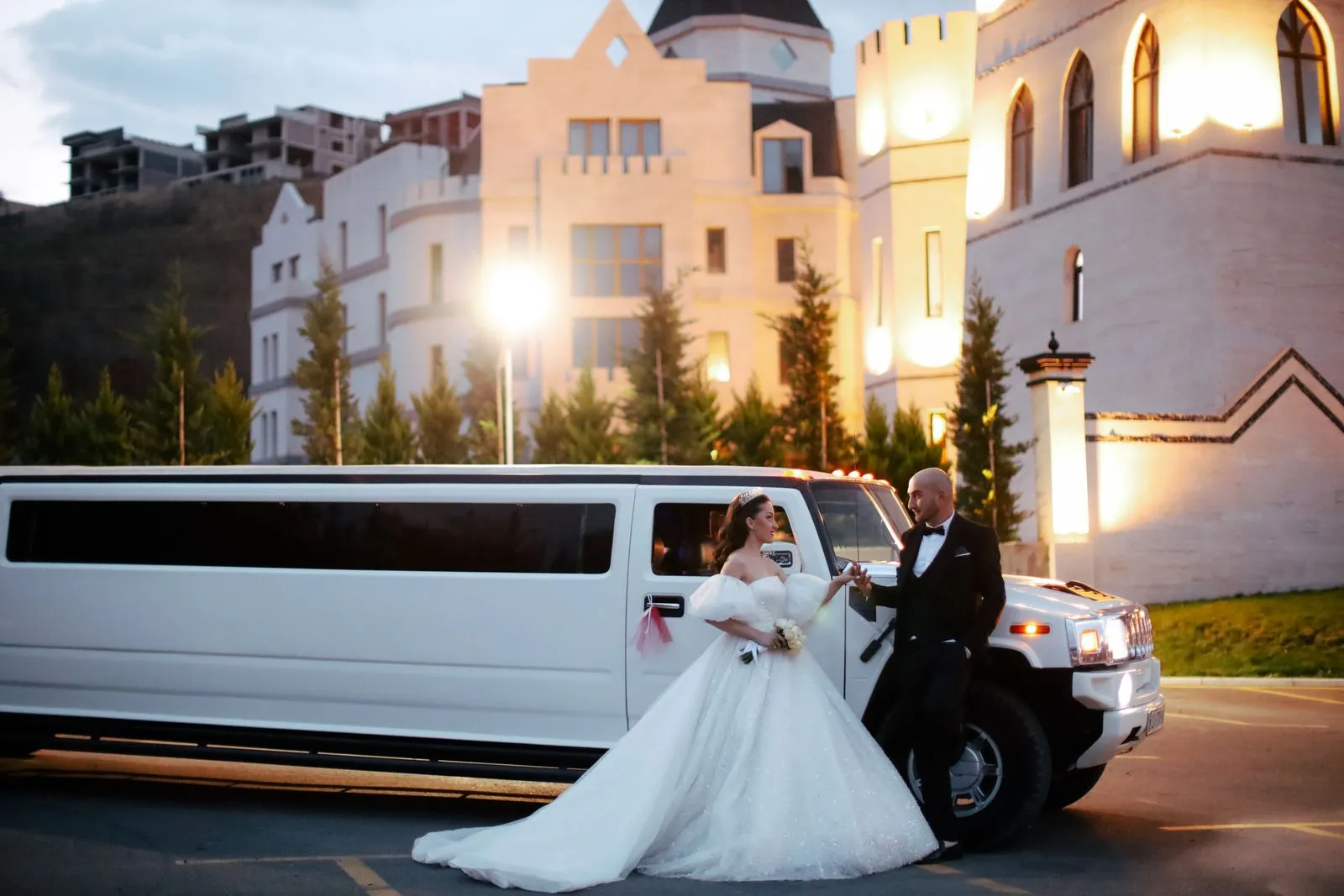
A lot of couples planning a New Orleans wedding hear the phrase "second line" before anyone explains what it actually is. It's one of the city's most distinctive cultural traditions, rooted in jazz funeral processions and brass band culture, and it's now a joyful, optional centerpiece that many weddings borrow for a few blocks of pure celebration between the ceremony and the reception.
Where the Tradition Comes From
The second line's roots trace back to New Orleans jazz funerals, where a brass band leads mourners from the church to the cemetery — the "first line" — while a crowd of community members, friends, and anyone who wants to join falls in behind, dancing and waving handkerchiefs or parasols — the "second line." Social Aid and Pleasure Clubs, mutual-aid organizations with roots in the city's Black communities, formalized and carried forward the tradition through regular neighborhood parades that continue today, independent of any funeral or wedding at all.
What began as a funeral tradition has, over decades, become something New Orleans also brings to its happiest occasions — weddings especially — borrowing the brass band, the dancing procession, and the handkerchiefs for a celebration rather than a farewell.
How a Wedding Second Line Works
At a wedding, a second line typically happens right after the ceremony or at the start of the reception: a brass band strikes up, the newly married couple leads the way, and guests fall in behind, following the band through a few blocks of French Quarter or neighborhood streets before arriving at the reception venue. It's as much a transition between the ceremony and the party as it is a performance — guests dance, wave handkerchiefs (often provided by the couple), and the whole thing has the unmistakable energy of a real New Orleans street celebration rather than a staged photo opportunity.
The route and length vary — some run a few blocks, others cover a more substantial stretch — and the band and route are usually arranged through a wedding planner or directly with a local brass band with second-line experience.
What a Second Line Means for Transportation
This is where the tradition intersects directly with wedding-day logistics: a second line adds foot traffic through streets your chauffeur would otherwise drive, and the getaway vehicle usually stages at the second line's endpoint rather than the ceremony site itself, since the couple and the band are the ones moving on foot, not the car. Guests who aren't walking the route — older family members, anyone in formal shoes not built for several city blocks — typically need a vehicle to the reception venue directly, run in parallel with the walking procession.
We coordinate with your wedding planner and the band in advance so the vehicle is positioned at the right endpoint at the right time, rather than guessing when the procession will actually arrive. See our second-line wedding parade transportation page for how we plan that specific logistics problem.
Do You Have to Include One?
Not at all — plenty of New Orleans weddings skip the second line entirely, and it's a tradition to opt into, not an expectation. For couples who do want one, it's worth deciding early in planning, since it affects the ceremony-to-reception timeline, the transportation plan for guests not walking, and the band booking itself, which should happen well ahead of the date.
Plan Your Wedding Day Around a Second Line
If a second line is part of your plan, tell us when you book your wedding transportation so we can build the getaway vehicle's timing and staging around it from the start. See our wedding limo service page for the full package, or call (877) 609-1919 to talk through your specific route.
Frequently Asked Questions
What is a second line parade?
A New Orleans tradition rooted in jazz funeral processions, where a brass band leads a celebratory walking procession and a crowd — the 'second line' — follows behind, dancing. Weddings often borrow the tradition for a joyful post-ceremony procession.
Do all New Orleans weddings have a second line?
No, it's entirely optional. Many couples include one as a signature moment; many others skip it, and neither choice is unusual.
How does a second line affect wedding transportation?
The getaway vehicle typically stages at the procession's endpoint rather than the ceremony site, and guests not walking the route need a separate vehicle to the reception, run in parallel with the procession.
How long is a typical wedding second line route?
It varies — some run a few blocks, others cover more ground — and the specific route is usually arranged with the band and a wedding planner.
Can you coordinate transportation around our second line?
Yes. Tell us the band, the route and the expected timing when you book, and we'll stage your vehicle at the right endpoint.
Ready to Book Your MSY Airport Transfer?
Flat rates, flight tracking, and professional chauffeurs — available 24/7.